


In a world where political headlines seem to change faster than a toddler’s mood, understanding the intricacies of US political science has never been more essential. From the latest debates to the ever-evolving policies, navigating this landscape can feel like trying to solve a Rubik’s Cube blindfolded. Yet, fear not—there’s a wealth of information waiting to be uncovered.
Overview of US News Political Science
Understanding US political science involves analyzing various aspects such as policy development, political behavior, and institutional frameworks. In recent years, significant shifts in public opinion and party affiliation have transformed the political landscape, making comprehensive analysis crucial. Numerous studies and data from authoritative sources, such as surveys and event analyses, provide valuable insights.
Research indicates that media coverage influences public perception of political events. This dynamic relationship between media and politics shapes narratives and mobilizes voters. Studies show that social media’s role in politics continues to rise, affecting voter engagement and information dissemination.
Institutional factors also play a key role in US political science. The balance of power between the executive, legislative, and judicial branches determines policy outcomes. Even minor changes in governance structures can lead to significant shifts in political priorities.
Furthermore, recent electoral trends highlight the increasing polarization of the political environment. Analysts point out that demographic shifts impact party dynamics, affecting election strategies. Data illustrates how younger voters prioritize different issues compared to older generations, influencing overall election outcomes.
Scholars emphasize the importance of intersectionality in political science, acknowledging that race, gender, and socioeconomic status intersect to shape political identities. As a result, understanding diverse perspectives enriches the analysis of political phenomena.
Through a combination of empirical research and theoretical frameworks, US political science equips scholars, policymakers, and citizens with essential tools for navigating today’s complex political landscape.
Current Trends in Political Science
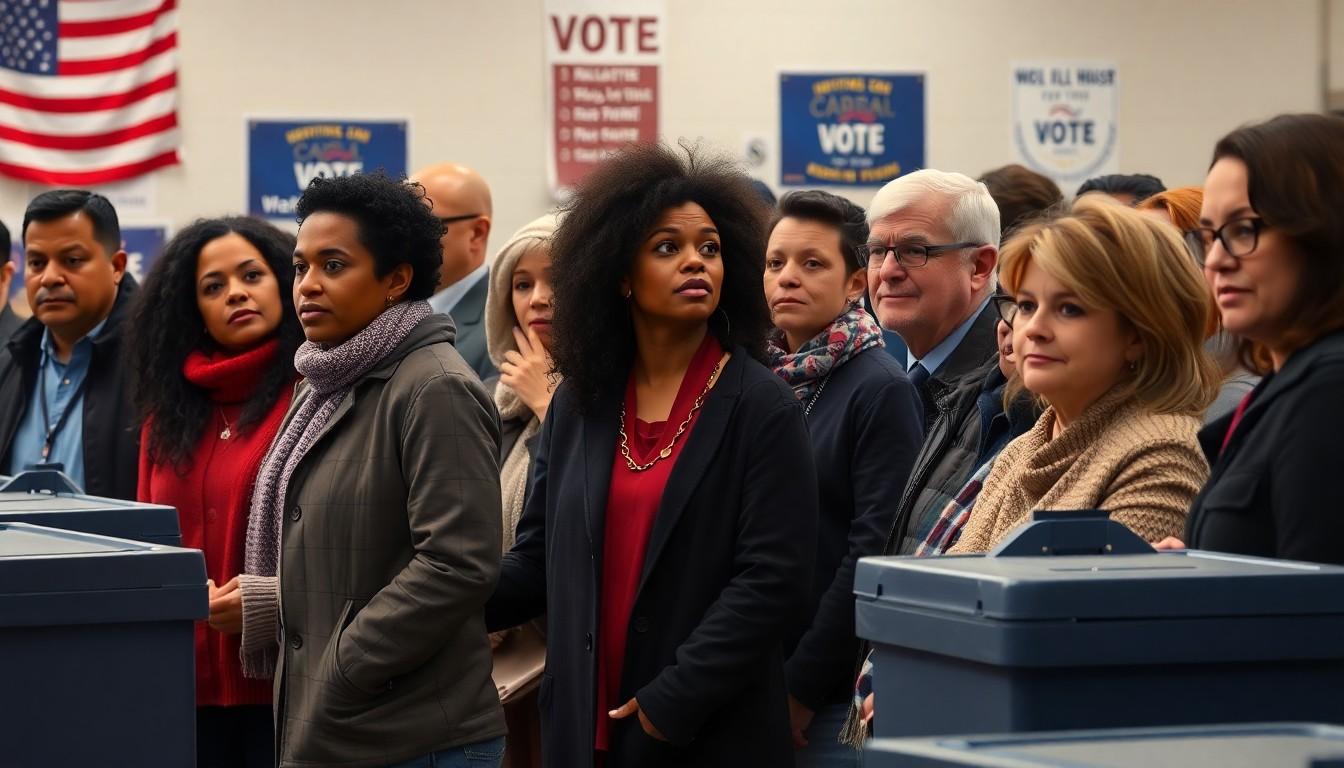
Current trends in political science reflect a dynamic interplay of factors that influence research and analysis practices. Scholars across various institutions studying US politics observe critical shifts influencing the field.
Major Research Areas
Major research areas in political science focus on electoral behavior, public opinion, and policy analysis. Electoral behavior examines how demographics shape voting patterns and preferences. Public opinion research analyzes how citizens perceive political issues and events. Additionally, policy analysis investigates the effectiveness and impact of governmental actions. Notable shifts in these areas stem from evolving social media platforms that facilitate discourse and engagement. These platforms enable researchers to gather large datasets, making analysis more efficient and comprehensive.
Impact of Political Events
Political events significantly influence public perception and behavior. For instance, events like presidential elections and landmark legislation drive changes in voter turnout and party affiliation. Recent events demonstrate how crises, such as the COVID-19 pandemic, reshape political priorities. Voter engagement often spikes during high-stakes moments, revealing shifts in public sentiment. Furthermore, media coverage of these events plays a pivotal role in framing narratives, affecting public opinion and political participation. Understanding these impacts provides essential insights for scholars and policymakers alike.
Methodologies in Political Science Research
Political science research employs diverse methodologies to analyze complex political phenomena. Quantitative methods often involve statistical analysis of survey data, enabling researchers to identify trends in voting behavior and public opinion. Qualitative methods, on the other hand, include in-depth interviews and case studies that provide insights into the motivations behind political actions.
Mixed methods approaches combine both quantitative and qualitative techniques, offering a more comprehensive understanding of political issues. By utilizing these varied methodologies, researchers can address different dimensions of political landscapes, enhancing their analyses and findings. The use of longitudinal studies allows for the examination of changes over time, particularly in public opinion and electoral trends.
Survey research frequently plays a pivotal role in understanding voter behavior, as it captures real-time data. Experimental designs, including field experiments, test the effects of different interventions on political attitudes. Observational studies, which analyze real-world environments, allow researchers to assess political strategies in real-time settings.
Computational methods have gained traction in recent years, utilizing big data and machine learning to analyze large datasets. These techniques enable researchers to uncover patterns and correlations that traditional methods might overlook. Moreover, network analysis examines the relationships and interactions among political entities, emphasizing the connections within party dynamics.
Incorporating interdisciplinary approaches enriches political science research. Insights from sociology, economics, and psychology provide additional layers of understanding. Overall, the combination of methodologies significantly enhances the capacity of political science to analyze and interpret the complexities of contemporary politics.
Notable Political Scientists and Their Contributions
Renowned political scientist Robert Dahl significantly shaped the study of democracy through his concept of polyarchy, emphasizing the importance of pluralism in democratic systems. His work, particularly “Polyarchy: Participation and Opposition,” explores the dynamics of citizen engagement and the role of institutions in promoting democratic governance.
Similarly, James S. Coleman made substantial contributions with his research on social capital and its impact on political behavior. His 1988 work highlighted how social networks and relationships influence civic engagement and political participation.
The influential work of Alexis de Tocqueville, particularly “Democracy in America,” offers profound insights into American political culture and social dynamics. Tocqueville’s observations on the effects of democracy on society continue to inform contemporary discussions in political science.
Another key figure, John Rawls, transformed political philosophy with his ground-breaking book “A Theory of Justice.” Rawls introduced concepts like the original position and the veil of ignorance, reshaping debates about justice and fairness in society.
Noam Chomsky’s contributions extend beyond linguistics into political science, where he critiques the media’s role in shaping public opinion and policy. His analysis sheds light on the intersection of language, politics, and power structures.
These scholars exemplify how diverse approaches enrich political science as a discipline. Their research addresses various aspects of political behavior, institutions, and the evolving complexities within the political landscape. Each contribution provides essential insights for scholars and practitioners aiming to understand and navigate the intricacies of US political dynamics.
The Role of US News in Shaping Political Discourse
US news plays a critical role in shaping political discourse in the country. Media outlets provide coverage on significant political events, impacting public understanding and opinion. For instance, the framing of issues influences how citizens perceive candidates and policies. Research demonstrates that media coverage directly affects voter behavior, particularly during elections.
Social media platforms enhance traditional news dissemination by allowing real-time engagement. Citizens consume news, share opinions, and participate in discussions, driving a more informed electorate. Data indicates that these platforms foster political mobilization and engagement among diverse demographic groups.
Coverage of key political issues fosters debate across various channels. Analyzing the narratives presented can reveal biases that skew public perception. The role of journalists extends beyond reporting; they actively shape the narratives around events like presidential elections or legislative changes.
Political scientists emphasize the significance of media literacy in today’s landscape. Understanding how news is constructed helps citizens critically evaluate information. Awareness of media sources fosters a more discerning public, equipped to navigate biases and misinformation.
Furthermore, the interplay between news coverage and public opinion is evident. Public sentiment shifts in response to how events are reported, highlighting the reciprocal relationship between media and political behavior. Events, such as the COVID-19 pandemic, illustrate this dynamic, where media framing affected public trust and adherence to health guidelines.
Analyzing the impact of US news on political discourse is essential for scholars. Contemporary political science research increasingly focuses on media influence, exploring its effect on policy debates and civic engagement. The findings from these analyses provide insights into the evolving landscape of American politics, underscoring the news media’s power in shaping democratic discourse.
Conclusion
The landscape of US political science is marked by constant evolution and complexity. Understanding the interplay of media, public opinion, and institutional dynamics is crucial for navigating today’s political challenges. As scholars and policymakers delve deeper into these issues, the insights gained will be invaluable for fostering informed civic engagement.
Emphasizing the importance of diverse methodologies and interdisciplinary approaches enriches the analysis of contemporary politics. Recognizing the contributions of influential political scientists further enhances this understanding. Ultimately, a well-rounded grasp of US political science equips individuals with the tools needed to engage meaningfully in the democratic process.


