

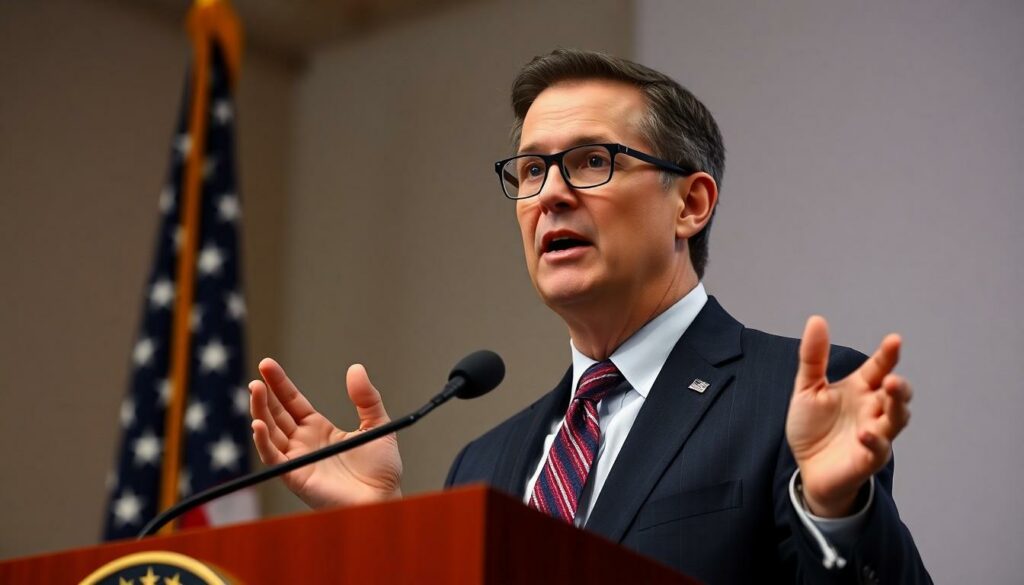
When the Energy Secretary calls out “political nonsense,” it’s hard not to raise an eyebrow. In a world where energy debates often feel like a game of hot potato, this bold statement cuts through the clutter. It’s like a breath of fresh air in a stuffy room filled with hot air.
As energy policies become the new battleground for political sparring, the Secretary’s candid remarks shine a spotlight on the absurdities that often overshadow serious discussions. With humor and a dose of reality, they remind us that sometimes, the best way to tackle serious issues is to laugh at the ridiculousness surrounding them. Buckle up as we dive into what’s really going on behind the scenes in the energy sector and how political shenanigans are affecting everyone’s power bills.
Overview of the Statement
The Energy Secretary’s recent remarks target the pervasive “political nonsense” that often undermines serious energy discussions. Critics argue that this diversion detracts from significant issues affecting energy policies. Real-life implications include fluctuating prices and consumer uncertainty, exacerbated by partisan squabbling.
Adopting a pragmatic approach, the Secretary highlighted the absurdities plaguing these debates. Laughing at certain political antics may offer relief but also serves as a reminder of the distractions from essential energy concerns. Engaging with humor doesn’t diminish the seriousness of the challenges faced in the energy sector; it emphasizes the need for clarity in discussions.
Consequences of political antics extend beyond mere rhetoric. Energy costs fluctuate based on market reactions, influenced by public sentiment driven by political statements. Acknowledging this relationship enables a better understanding of how energy policies impact everyday consumers.
The Secretary stressed the criticality of focusing efforts on sustainable solutions. Policymaking must prioritize actionable plans over partisan drama. Clear communication will play a vital role in bridging the gap between political narratives and real-world energy challenges.
Perhaps most importantly, both policymakers and consumers require transparency in discussions about energy strategies. Recognizing the influence of political discourse empowers individuals to make informed decisions. By removing distractions and addressing core issues, stakeholders can work toward a more stable energy future.
Implications of the Energy Secretary’s Remarks
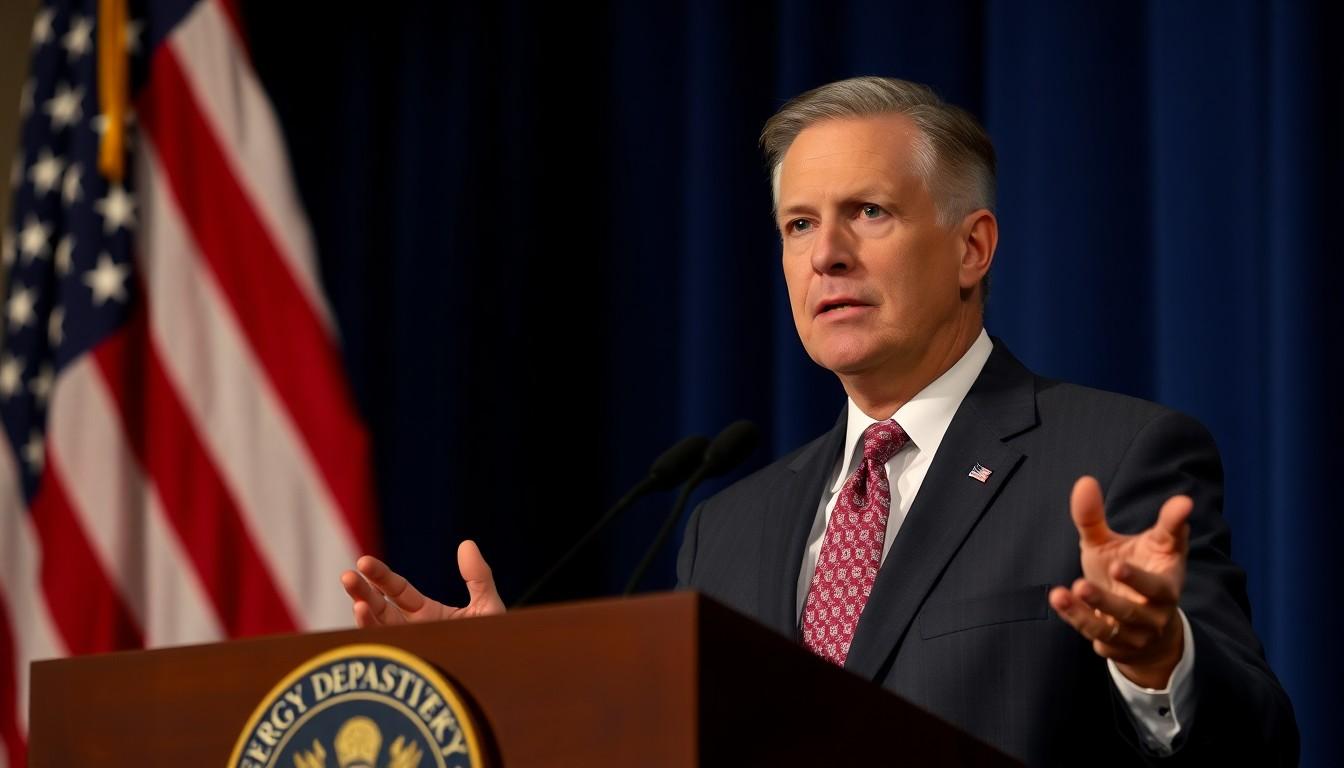
The Energy Secretary’s criticism of “political nonsense” impacts various aspects of the energy sector. His comments reflect the urgent need for a shift in the political landscape.
Political Landscape
Political distractions often hinder effective policymaking. Fluctuating energy prices and consumer anxiety arise from public sentiment influenced by political statements. He draws attention to how partisan agendas can derail significant energy discussions, leading to confusion. The Secretary advocates for a focus on facts, urging politicians to prioritize meaningful energy solutions over theatrical debates. Effective communication can pave the way for collaborative efforts among lawmakers, allowing for innovative strategies that address real-world energy challenges.
Public Response
Public reaction to the Energy Secretary’s remarks shows a mix of support and skepticism. Many individuals appreciate his candid approach, viewing it as a refreshing departure from typical political rhetoric. Some, however, express frustration at the persistence of political antics that obscure energy issues. Citizens recognize the importance of transparent dialogue and demonstrate a desire for seriousness in policy discussions. Social media platforms amplify diverse opinions, increasing awareness of energy debates and encouraging informed discussions. Overall, these responses highlight a yearning for clarity in energy policymaking amid a turbulent political atmosphere.
Critique of Political Discourse
The Energy Secretary’s remarks reflect a broader critique of the political landscape influencing energy discourse. Attention often shifts away from critical issues due to trivial political games.
Historical Context
Political discourse surrounding energy has evolved significantly over the decades. Past debates frequently spiraled into partisan theatrics, overshadowing essential discussions about energy sustainability. In particular, the oil crises of the 1970s highlighted how political decisions impact energy policies. Various administrations grappled with balancing economic pressures and environmental concerns, yet partisan conflicts often stymied meaningful progress. History shows that critical energy debates have too frequently been relegated to political posturing rather than substantial solutions.
Current Issues
Current political maneuvers continue to shape public perception of energy policies. Controversial statements from lawmakers can lead to market volatility, affecting pricing and consumer confidence. Energy prices fluctuate due to reactions tied closely to political rhetoric, creating uncertainty for consumers and businesses alike. Collaboration among lawmakers remains essential to counter these distractions and focus on factual energy solutions. Emphasizing transparency in policy communication will empower citizens to navigate complex energy landscapes with confidence.
Potential Consequences for Energy Policy
Political distractions can lead to erratic energy prices. When lawmakers focus on controversy instead of solutions, market reactions may follow, causing consumer anxiety. Fluctuating prices disrupt economic stability, impacting both households and businesses.
Effective energy policy hinges on transparency. Without clarity, public trust erodes, leading to skepticism about energy initiatives. Policymakers must communicate intentions clearly to foster informed public understanding.
The Secretary’s comments emphasize the need for pragmatic approaches. Prioritizing sustainable solutions can guide energy policy toward a stable future. By focusing on facts rather than theatrics, lawmakers can align better with citizen concerns.
Historical precedents illustrate the consequences of partisan debates. During the 1970s oil crises, political decisions shaped public responses significantly. Today’s political tactics mirror those past mistakes, complicating meaningful discussions.
Collaborative efforts among lawmakers are crucial. Partnerships can bridge gaps created by political nonsense. Expecting cooperation promotes more effective policymaking and stability in energy markets.
Consumer confidence depends on consistent communication. Striking a balance between addressing political realities and real-world challenges is vital. By focusing on genuine energy solutions, policymakers can help mitigate market volatility.
The shift toward a fact-based political landscape holds potential for transformation. Addressing critical issues head-on encourages constructive dialogue. Ultimately, prioritizing serious discussions over frivolous political antics leads to better energy policy outcomes.
Conclusion
The Energy Secretary’s remarks shed light on the urgent need for clarity in energy discussions. Political distractions can lead to market volatility and consumer uncertainty. By focusing on facts and sustainable solutions, lawmakers can foster a more informed public dialogue.
A shift towards transparency and collaboration is essential for effective policymaking. This approach not only addresses immediate concerns but also builds trust among consumers. As the energy landscape evolves, prioritizing serious discussions over political theatrics will pave the way for a more stable and sustainable energy future.


