

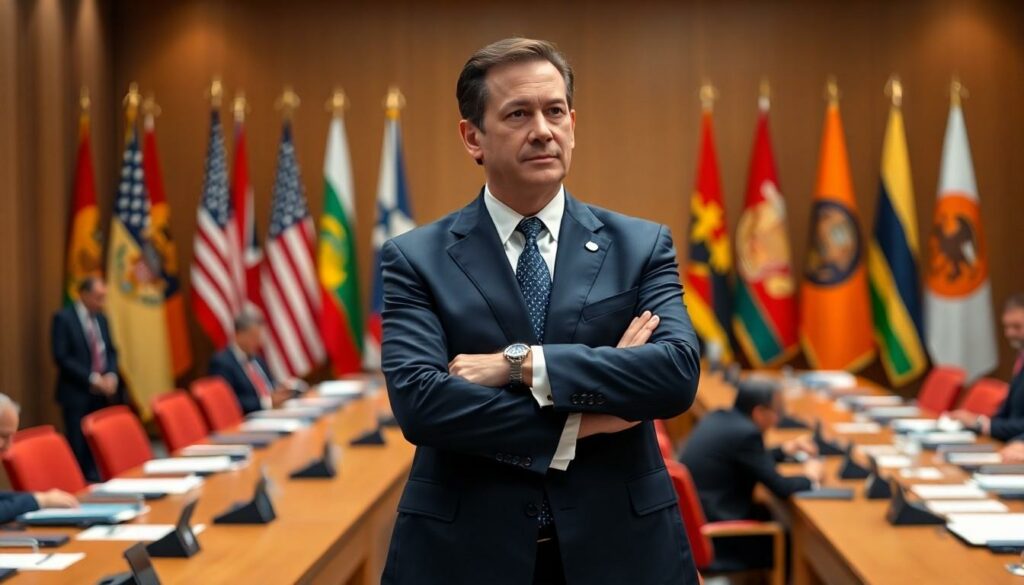
In a world where borders blur and alliances shift faster than a cat on a hot tin roof, staying updated on international relations news is more crucial than ever. Whether it’s a high-stakes summit or a diplomatic faux pas, these events shape the global landscape and impact everyday lives.
Overview of International Relations News
International relations news covers events and developments involving countries and global organizations. Insights into political situations, economic agreements, and cultural exchanges offer context for understanding world dynamics. Nations engage in dialogue to resolve conflicts, fostering peace or escalating tensions. Reporting on summits sheds light on leaders’ strategies and priorities.
Key events, such as trade negotiations, influence global markets significantly. Tracking treaties and accords highlights how nations collaborate to address common challenges. Analysis of security issues often uncovers underlying motivations driving foreign policy decisions. Humanitarian efforts showcase countries’ commitments to alleviating crises.
Regional conflicts frequently dominate headlines. Ongoing situations in areas like the Middle East and Eastern Europe illustrate the persistent need for diplomatic intervention. Updates on bilateral relations reveal shifts in alliances and partnerships.
Research shows that public awareness of these issues shapes national policy discussions. Awareness of international relations enhances understanding of how global events impact local communities. Each interaction among nations contributes to a broader narrative of global cooperation and discord.
Accessing reliable sources for international relations news, like reputable news outlets and academic journals, remains essential. Staying informed empowers individuals to engage in discussions about global affairs. Current developments in international diplomacy define relationships among nations, influencing life worldwide. Keeping up with these stories ensures an informed perspective on global challenges and opportunities.
Current Events Shaping International Relations
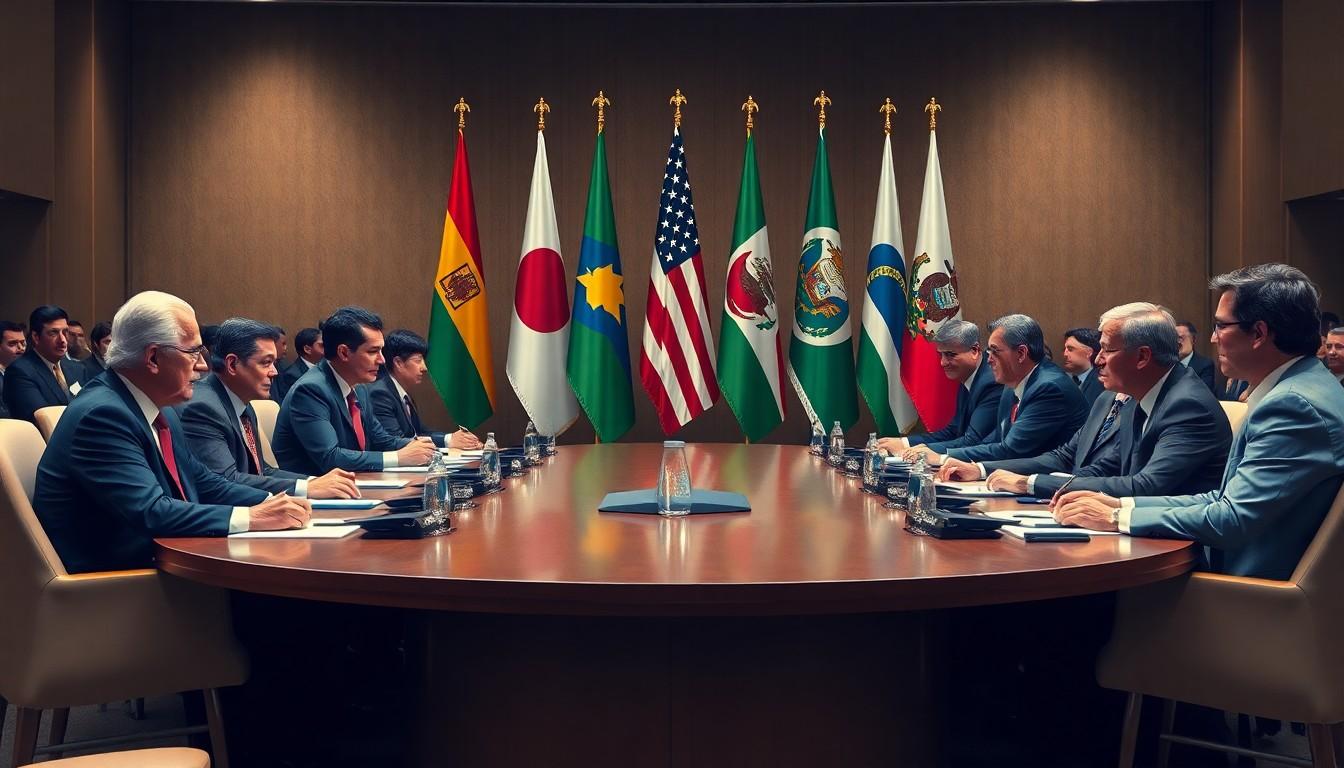
Significant international events influence diplomacy and global interactions daily. Here’s an overview of the latest developments in key areas.
Political Developments
Major political changes reflect shifting alliances and emerging powers. Recognizing the ongoing tensions in the Middle East, new peace talks aim at stabilizing relationships between long-standing adversaries. In Eastern Europe, escalated military activities raise concerns among NATO members. Diplomatic efforts from various nations target conflict resolution, with prominent leaders participating in high-stakes negotiations. Global summits often serve as platforms for nations to address pressing security challenges. These political dynamics impact everyday citizens, who feel the effects of decisions made at the governmental level.
Economic Initiatives
Transformative economic initiatives shape international trade and partnerships. Countries are increasingly prioritizing trade agreements that enhance economic cooperation, especially in Asia and Africa. Aligning interests through multilateral agreements strengthens supply chains and fosters economic growth. Investment in renewable energy technologies presents an opportunity for nations to collaborate and address climate challenges jointly. Recent trade negotiations signal a renewed focus on tariff reductions, supporting local businesses while expanding market access. These initiatives not only drive economic prosperity but also influence geopolitical relationships among nations.
Key Players in International Relations
Understanding key players in international relations offers insight into global dynamics. Major countries shape policies, forge alliances, and respond to global challenges through their actions.
Major Countries Involved
The United States remains a dominant force, influencing global politics through diplomacy and military presence. China, with its growing economic power, challenges US hegemony and plays a critical role in trade negotiations. Russia, marked by its assertive foreign policy, often finds itself in conflict with Western nations, particularly regarding Eastern Europe. India represents a rising power, focusing on strengthening regional ties and enhancing its global presence. Each country’s unique position significantly impacts international relations, making them vital to world stability.
Influential Organizations
NATO stands as a pivotal military alliance, promoting collective security among its member countries. The United Nations addresses global issues, facilitating diplomacy and humanitarian efforts across nations. The World Trade Organization ensures fair trade practices and helps manage economic relations worldwide. The European Union exemplifies regional cooperation, allowing member states to integrate economically and politically. Organizations like these enhance collaboration, providing platforms for dialogue and conflict resolution among nations, thereby shaping the global order.
Trends and Future Outlook
International relations are evolving rapidly, reflecting the complexities of global dynamics. Observers notice how emerging issues shape interactions among nations.
Emerging Issues
Climate change poses significant challenges that countries must address together. Cybersecurity threats increasingly affect national security, prompting nations to bolster their defenses. Humanitarian crises often arise from regional conflicts, necessitating global cooperation for effective resolution. Geopolitical tensions in regions like the South China Sea complicate diplomatic relations, requiring strategic dialogue. Additionally, economic inequalities spark unrest and fuel migration, influencing political stability worldwide.
Predictions for Global Relations
Increased multipolarity is expected to characterize international relations, with multiple nations influencing global decision-making. Analysts anticipate greater collaboration on climate initiatives, fostering shared commitments among leading economies. Economic partnerships are projected to deepen, particularly in Asia and Africa, enhancing trade flows and investment opportunities. Evolving alliances may impact military strategies as countries respond to emerging threats. Observers stress the importance of diplomacy to navigate these changes effectively and manage potential conflicts.
Conclusion
Staying informed about international relations is vital for understanding the complexities of today’s world. As nations navigate shifting alliances and confront pressing global challenges, awareness of these dynamics empowers individuals to engage meaningfully in discussions about policy and diplomacy.
By keeping up with the latest developments in international relations news, people can better grasp how events shape their lives and communities. The interconnectedness of global affairs underscores the need for informed citizens who can contribute to dialogues on peace, security, and cooperation.
Ultimately, an informed perspective on international relations not only enhances personal knowledge but also fosters a more engaged and proactive society.


