


In the grand theater of American politics, two early contenders took center stage, setting the scene for a rivalry that would shape the nation. Picture it: the late 18th century, where debates were as heated as a summer barbecue, and political parties were just starting to emerge from the shadows. The Federalists and the Democratic-Republicans didn’t just disagree on policy; they were like cats and dogs, each convinced they had the best recipe for a thriving democracy.
These two parties laid the groundwork for the political landscape we know today. With the Federalists advocating for a strong central government and the Democratic-Republicans championing states’ rights, their clash was more than just a battle of ideas—it was a dramatic saga filled with intrigue and ambition. Join the journey back in time to explore how these two parties ignited a political revolution that still influences the way we engage with politics today.
Overview of Early American Political Parties
Emerging in the late 18th century, the Federalists and the Democratic-Republicans represented America’s first significant political divisions. Federalists, led by figures like Alexander Hamilton, championed a robust central government and promoted policies favoring commerce and industry. They argued that a strong federal authority was essential for national stability and economic growth.
Conversely, the Democratic-Republicans, spearheaded by Thomas Jefferson and James Madison, opposed Federalist ideals. They prioritized states’ rights and agrarian interests, advocating for decentralized government mechanisms. Their belief centered around the idea that local governance would better serve the American populace.
The Federalist Party
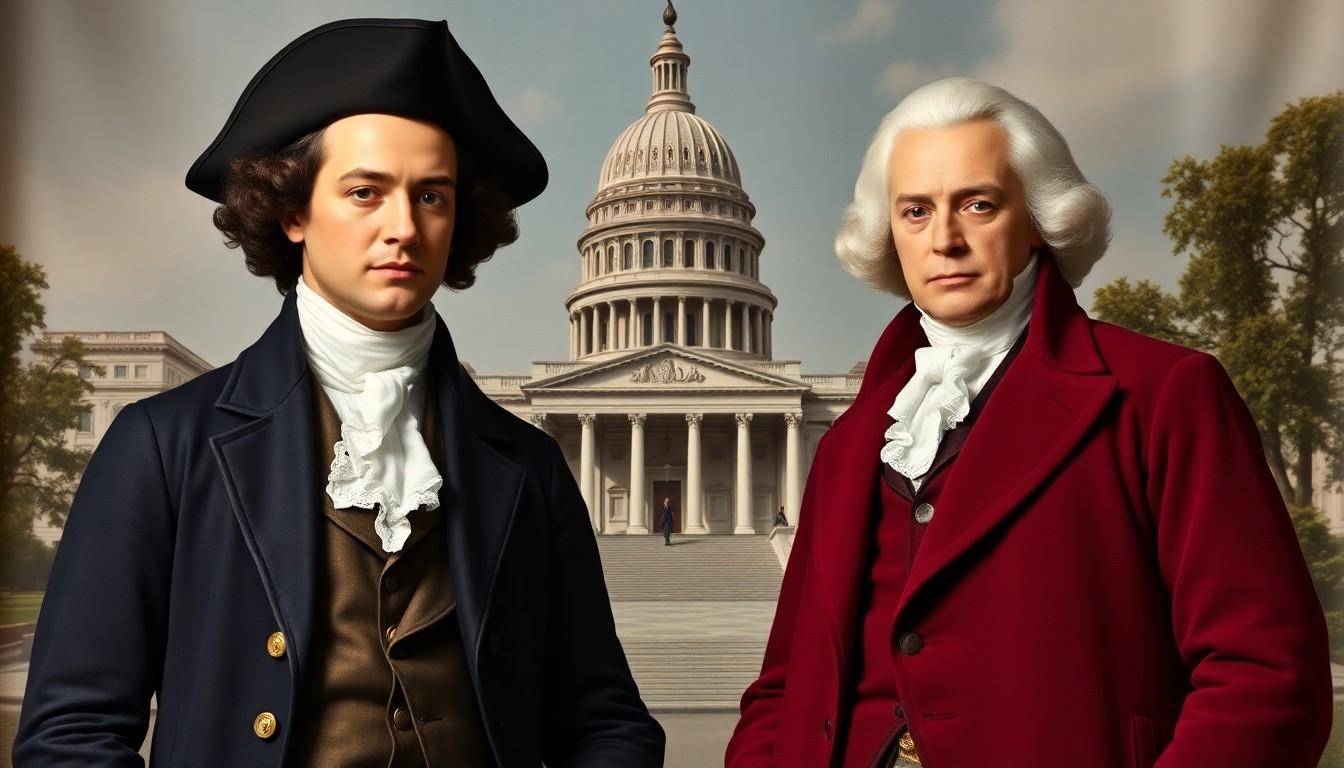
The Federalist Party emerged in the late 18th century as a response to the political needs of the newly independent United States. Led by prominent figures like Alexander Hamilton and John Adams, its founding marked a significant shift in American governance.
Founding and Key Leaders
Founded in the early 1790s, the Federalist Party consisted of leaders keen on creating a powerful national government. Hamilton served as the party’s intellectual architect, advocating for industrial interests and economic growth. Adams, who later became the second president, provided crucial support. Other influential leaders included John Jay and Rufus King, both instrumental in framing the party’s vision and policies. This group championed a centralized government to enhance order and stability within the nation.
Principles and Policies
Central to Federalist beliefs was the promotion of a strong central government, which they viewed as essential for national unity. They supported fiscal policies encouraging commerce, such as the establishment of a national bank. Federalists argued that a robust federal authority facilitated economic growth and secured the nation’s international standing. Additionally, they believed in a loose interpretation of the Constitution, allowing for broader federal powers. These principles positioned the Federalist Party as a key player in shaping early American political dynamics.
The Democratic-Republican Party
The Democratic-Republican Party emerged as a counterforce to Federalist ideologies in late 18th century America, positioning itself as a champion of states’ rights and agrarianism.
Founding and Key Leaders
Founded in the early 1790s, the Democratic-Republican Party drew support from numerous citizens who opposed Federalism. Thomas Jefferson and James Madison played pivotal roles in its establishment. Jefferson envisioned a society rooted in agriculture and individual liberties. Madison, often dubbed the “Father of the Constitution,” contributed his insights on the importance of governmental checks and balances. This leadership duo emphasized democratic ideals and resonated with a growing electorate concerned about centralized power. Their grassroots approach mobilized supporters across various regions, fostering a robust political movement.
Principles and Policies
Democratic-Republicans promoted principles that prioritized individual freedoms and limited government intervention. Advocacy for states’ rights became a cornerstone of the party’s platform, arguing that local governance was more attuned to citizens’ needs. Agrarian interests received significant attention, with policies supporting farmers and rural constituents. The party opposed the Federalist emphasis on a strong central government, believing this would lead to tyranny. Additionally, strict interpretation of the Constitution guided their policies, ensuring the federal government stayed within its designated limits. This dedication to liberty and decentralization appealed to many Americans, shaping the political landscape for years to come.
The Impact of the First Two Political Parties
The Federalists and Democratic-Republicans shaped early American political dynamics. Their ideologies impacted governance, citizen engagement, and the formation of future parties.
Influence on American Politics
American politics transformed due to the ideologies of these two parties. The Federalists emphasized centralized authority, leading to a focus on national infrastructure and commerce. Democratic-Republicans, in contrast, promoted decentralized power, which fostered individual rights and agricultural interests. Political campaigns and elections became more competitive as the rivalry intensified, engaging citizens in new discussions about governance. The debates between these parties established foundational principles for political discourse, creating lasting impacts on voter alignment and party loyalties.
Legacy and Evolution
The legacy of the early political parties endures in today’s political landscape. Federalist ideas influenced future parties that supported strong governmental intervention in commerce. Democratic-Republican principles laid groundwork for the modern Democratic Party’s support for individual rights and local governance. Shifts in public opinion continued to shape party evolution, leading to new political entities that arose in response to changing societal needs. The ideological battles set precedents for how political parties develop and adapt over time, highlighting the importance of early American political competition in shaping contemporary governance.
Conclusion
The rivalry between the Federalists and Democratic-Republicans marked a pivotal moment in American political history. Their contrasting visions for governance not only shaped the early political landscape but also laid the groundwork for future party dynamics.
As these parties evolved, they influenced the development of modern political ideologies. The debates and principles established during this period continue to resonate today, reminding citizens of the importance of political engagement and the ongoing evolution of party systems. Understanding this early conflict offers valuable insights into the complexities of contemporary American politics.


