


Political science isn’t just for the classroom; it’s the secret sauce that helps people understand the world around them. Ever wondered why your neighbor gets fired up about election season or why political debates can feel like a reality show? It’s all rooted in political science. This field dives into the nitty-gritty of power, governance, and the impact of policies on everyday life.
Understanding political science equips individuals with the tools to navigate complex societal issues and make informed decisions. It’s like having a GPS for the political landscape, guiding people through the twists and turns of democracy, policy-making, and civic engagement. So whether you’re eyeing a career in politics or just trying to keep up with the latest news, grasping political science is essential. After all, knowing how the game is played can make anyone a better player.
Understanding Political Science
Political science serves as a crucial discipline for grasping societal dynamics. This field encompasses various elements that shape political behavior and systems.
Definition and Scope
Political science involves the systematic study of governance and political structures. It examines how power and resources distribute within societies and interprets individual and group interactions in political contexts. Scholars explore ideologies, policies, and institutions through qualitative and quantitative lenses. Its scope extends to disciplines like economics, sociology, and history, providing a comprehensive framework for understanding political phenomena. Political engagement, in its many forms, remains at the core of political science, demonstrating its relevance in everyday life.
Key Concepts and Theories
Several pivotal concepts define the field of political science. Democracy serves as a primary focus, emphasizing citizen participation and equality in governance. Authoritarianism contrasts sharply, highlighting centralized control and limited political freedoms. Theories such as realism and liberalism provide frameworks for analyzing international relations, impacting foreign policy decisions. Constructivism introduces the role of social constructs in shaping political realities. Each concept engages with ongoing debates about power, justice, and rights in society, influencing how citizens and leaders approach complex global issues.
Contributions to Society
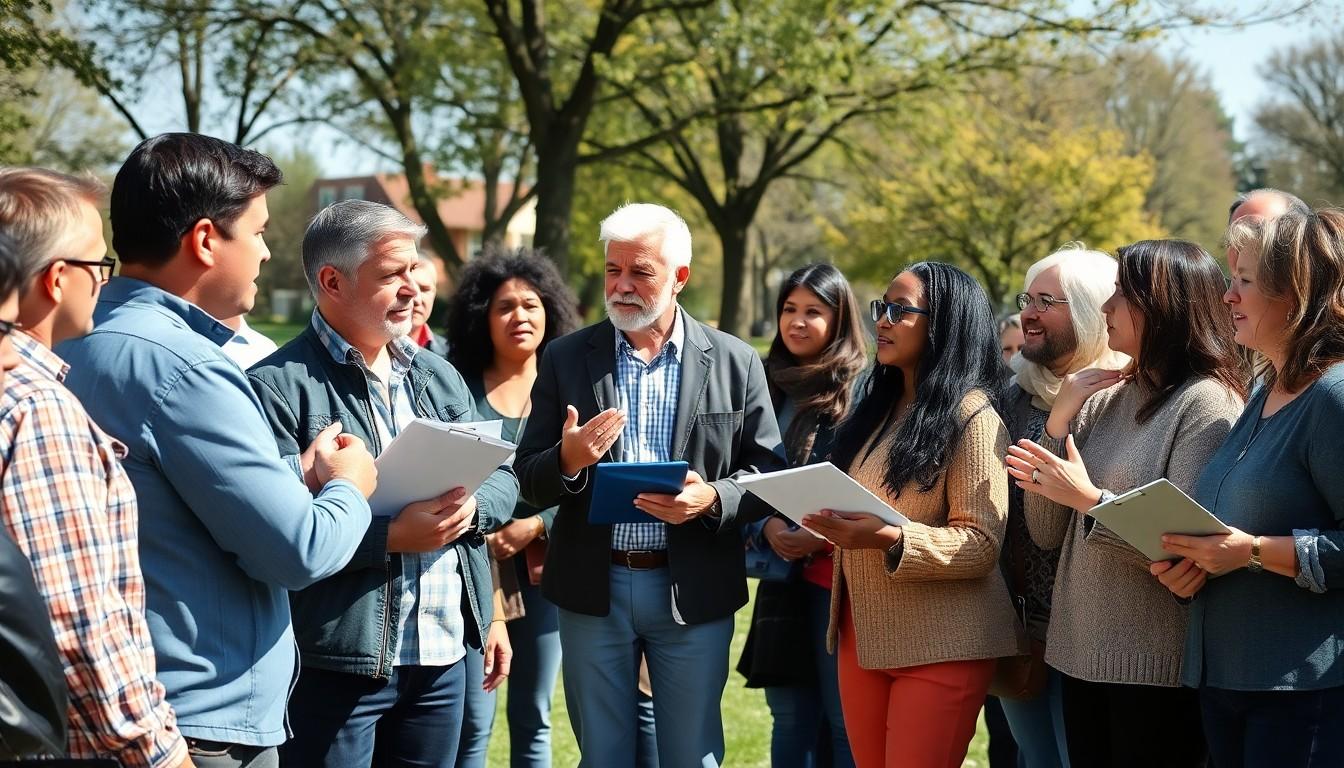
Political science significantly impacts society by fostering an understanding of governance and civic responsibilities. Its insights empower individuals to actively participate in their communities.
Informed Citizenship
Informed citizens possess a strong grasp of political systems, which allows them to make educated choices during elections. Engaging with political science cultivates critical thinking skills essential for analyzing complex issues. Understanding political processes helps citizens voice their opinions effectively and advocate for change. Enhanced awareness of policies and their implications promotes constructive dialogue within communities. Political science encourages informed participation in local, state, and national matters, strengthening democratic practices.
Policy Development
Effective policy development relies heavily on principles derived from political science. Researchers in this field analyze existing frameworks to identify areas for improvement. They produce data-driven recommendations to address societal challenges. Policymakers benefit from understanding the nuances of public opinion, which guides the formulation of responsive policies. Equipped with knowledge about historical contexts, decision-makers craft solutions that resonate with citizens and promote social welfare. Political science thus serves as a foundation for devising equitable and effective governance strategies.
Political Science in the Real World
Political science significantly influences real-world dynamics. Its applications shape various aspects of human interaction within society.
Case Studies of Political Impact
Numerous case studies illustrate the profound impact of political science. Analyzing elections in countries like India reveals how electoral systems affect policy outcomes and citizen engagement. Examination of the Arab Spring highlights how political theories can explain grassroots movements challenging authoritarian regimes. Evaluating health policy responses during the COVID-19 pandemic demonstrates the effectiveness of governance frameworks in crisis management. Each of these examples sheds light on the complexities of political actions, driving home the point that understanding political science empowers citizens to influence societal change meaningfully.
Role in Global Affairs
Political science plays a central role in shaping global affairs. Concepts such as international relations theory provide insight into global power dynamics. Assessing treaties and alliances, such as NATO, showcases how countries cooperate to ensure security and stability. Understanding foreign policy decisions illuminates the motivations behind diplomatic strategies and economic sanctions. By evaluating global issues like climate change, political scientists contribute to collaborative efforts among nations. Each of these facets underscores the necessity of political science in navigating the intricate web of international interactions, ensuring well-informed global strategies.
Career Opportunities in Political Science
Political science opens numerous career pathways, blending theory with practice. Individuals with a degree in political science can explore various sectors that require analytical and communication skills.
Academic and Research Paths
Professors and researchers thrive in academic institutions. They delve into specialized areas within political science, conducting studies and publishing findings in journals. Academia also offers opportunities for grant writing, curriculum development, and mentorship. Research positions in think tanks and policy institutes attract those interested in applying political theories to real-world issues. Engaging in comparative studies or public opinion research allows professionals to contribute significantly to societal understanding.
Practical Applications in Various Fields
Government roles often appeal to political science graduates. They occupy positions in local, state, or federal agencies, where they draft policies and analyze data. Non-profit organizations frequently seek individuals with political science backgrounds to advocate for social change and address community needs. Moreover, firms in private sectors value the analytical skills gained in political science. These graduates often excel in public relations, marketing, and corporate responsibility roles, where understanding political dynamics enhances strategy development.
Conclusion
Political science is a vital field that shapes how individuals understand and engage with their communities and the world. It equips people with the knowledge to analyze political structures and make informed decisions that impact their lives. By fostering critical thinking and informed citizenship, political science empowers individuals to actively participate in democratic processes.
Moreover, it plays a crucial role in developing effective policies that address societal challenges. As global issues become increasingly complex, the insights gained from political science are essential for navigating these dynamics. Ultimately, the discipline not only enriches personal understanding but also contributes to the broader goal of creating a more just and equitable society.


