

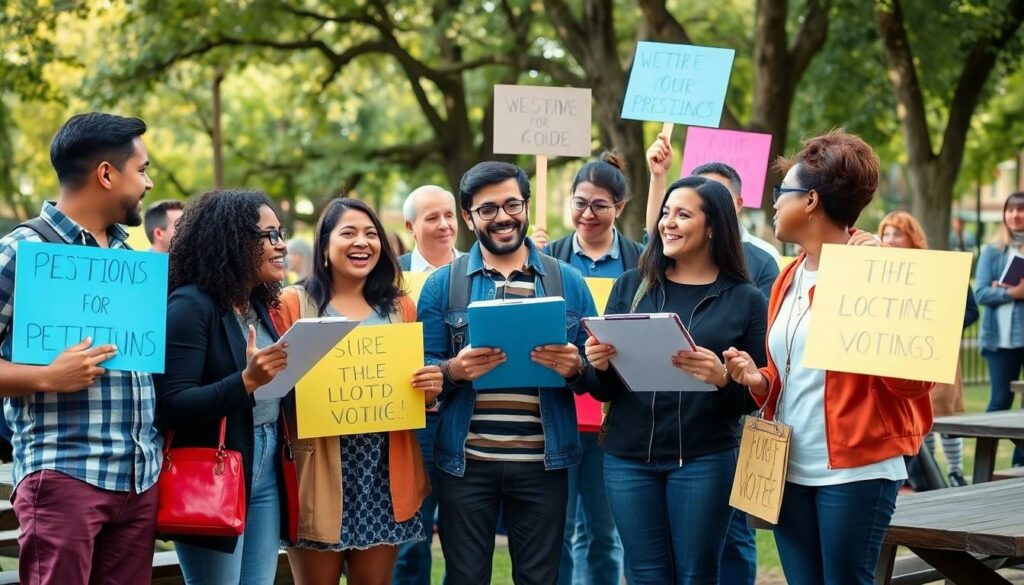
In a world where the ballot box often feels like the only way to make a difference, it’s time to shake things up a bit. Voting is crucial, sure, but why stop there? Citizens have a treasure trove of options to flex their political muscles and spark real change. From organizing community events to starting petitions, the possibilities are endless—and often more fun than a trip to the DMV.
Understanding Political Engagement
Political engagement encompasses a range of activities beyond casting a ballot. Citizens can influence change through various avenues, fostering community involvement and advocacy. Organizing local events often encourages discussions on critical issues, creating spaces for citizens to share their views and brainstorm solutions.
Petitions serve as another powerful tool, allowing individuals to rally support for specific causes. They provide a straightforward method to demonstrate public backing for legislative changes. Participation in local government meetings enables citizens to voice concerns directly. This involvement can shape policies affecting the community.
Volunteering for political campaigns offers firsthand experience in the electoral process. Engaging with representatives facilitates a better understanding of governmental functions and priorities. Advocating for causes through social media can amplify messages and connect like-minded individuals. Effective messaging can spark movements that resonate widely.
Joining advocacy groups allows citizens to collaborate with others who share similar goals. These organizations often coordinate campaigns focusing on pressing social issues, driving sustained efforts for change. Attending town hall meetings provides opportunities to engage with elected officials and discuss community needs.
Contributing to local newspapers or blogs through opinion pieces can influence public discourse. Writing about critical issues raises awareness and encourages community dialogue. Supporting local businesses that align with social values fosters an economy that prioritizes ethical practices.
Engagement in political dialogues fosters a vibrant democratic culture. Active participation creates a sense of ownership over societal issues, motivating communities to push for progress and accountability. Each action taken, however small, contributes to a collective impact on the political landscape.
Types of Voluntary Actions
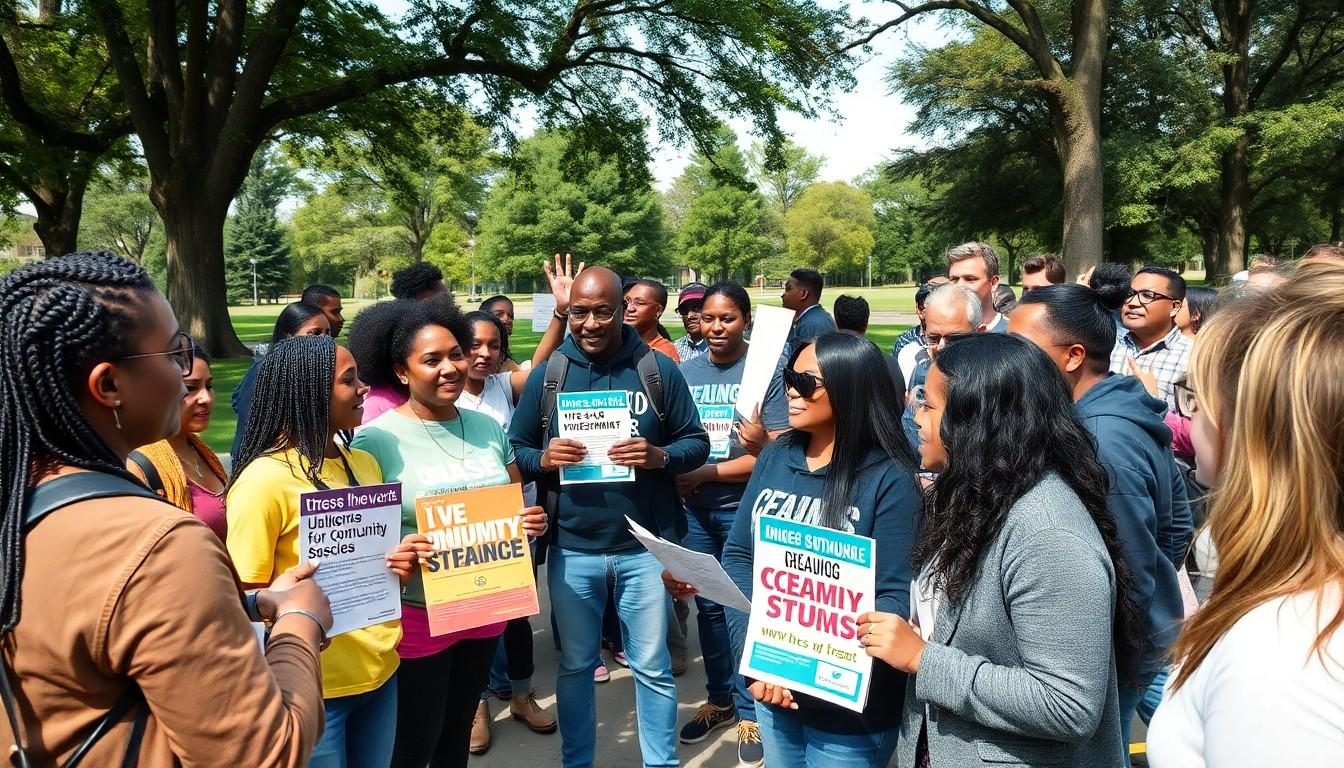
Citizens can take numerous voluntary actions to influence political change. Beyond voting, several effective strategies exist that encourage civic engagement and awareness.
Grassroots Organizing
Grassroots organizing empowers individuals to mobilize their communities for collective action. Leaders within neighborhoods can host meetings, distribute flyers, and create social media groups to share information. Collaboration strengthens community bonds and raises awareness about local issues. Organizers can create networks that advocate for specific causes, fostering a sense of shared purpose among residents. Engagement at the grassroots level often leads to impactful changes, as residents work together to address challenges that directly affect their lives.
Advocacy and Lobbying
Advocacy and lobbying equip citizens with tools to influence policymakers. People can educate themselves on legislation affecting their communities and communicate directly with elected officials. Grassroots campaigns often provide training sessions on effective advocacy tactics. Mobilization can take the form of letter-writing campaigns, phone calls, or scheduling meetings with representatives. Through persistent efforts, advocates can bring attention to critical issues and push for meaningful policy changes that reflect the needs of their constituents.
Community Service
Community service presents opportunities for citizens to address social issues directly while making positive impacts. Individuals may volunteer at local shelters, food banks, or environmental cleanups, enhancing the quality of life in their neighborhoods. Participation fosters connections among residents and cultivates a culture of giving back. Engaging in service projects often raises awareness about underlying issues, such as poverty or environmental degradation. These experiences can motivate individuals to become active participants in broader political movements.
Educational Initiatives
Educational initiatives play a vital role in informing and empowering communities. Citizens can host workshops, webinars, or discussion panels to raise awareness about political processes or critical social issues. Collaborating with local schools and libraries ensures access to resources for diverse audiences. Programs that offer information about civic responsibilities and rights encourage informed participation among community members. Collective knowledge gained through educational efforts inspires people to engage politically and advocate for change.
Platforms for Civic Engagement
Citizens can utilize various platforms to actively engage in civic matters and influence political change. Exploring these options can enhance community involvement and spark meaningful discussions.
Social Media Campaigns
Platforms like Facebook, Twitter, and Instagram offer immense potential for mobilizing citizens. Engaging followers through impactful content can raise awareness about important issues. Trending hashtags can quickly spread messages, creating opportunities for wider participation. Citizens often share personal stories that resonate with others, fostering connections. Utilizing these platforms enables collaboration and dialogue among diverse groups, increasing the chances of effecting change.
Local Government Meetings
Attending local government meetings allows citizens to voice their opinions directly to decision-makers. Engaged individuals express concerns and advocate for community needs. These gatherings provide a forum for addressing issues that impact residents’ lives. Public testimonies can influence policy proposals and inspire elected officials. Participation creates an opportunity to build relationships with local representatives, enhancing the democratic process.
Nonprofit Organizations
Partnering with nonprofit organizations empowers citizens to tackle social issues collectively. Many of these organizations focus on specific causes and provide numerous volunteer opportunities. Joining efforts amplifies voices seeking change, allowing individuals to contribute to initiatives that matter to them. Many nonprofits also engage in advocacy, pushing for legislative reforms. Working alongside established groups can help citizens navigate political landscapes and make significant impacts.
Benefits of Voluntary Actions
Voluntary actions by citizens foster significant benefits that extend beyond the ballot box. These activities create a profound impact on communities and policy landscapes.
Strengthening Community Bonds
Community bonds strengthen through collective efforts. Engaging in local events fosters relationships among neighbors, building a sense of belonging. Participation in initiatives like clean-up drives or food distribution directly connects individuals, enhancing social networks. Collaborative projects unite people with shared interests while nurturing friendships. As citizens work together, they develop trust and understanding, essential components of resilient communities. Lasting relationships formed through these actions contribute to a supportive environment where collaboration thrives.
Influencing Policy Changes
Policy changes often reflect the voices of engaged citizens. When individuals participate in local meetings or advocacy efforts, they actively contribute to shaping their community’s future. Engaging with representatives at various levels creates opportunities to express concerns and propose solutions. Petitions serve as structured methods for gathering support around specific issues, significantly influencing decision-makers. Active involvement amplifies public demands for positive change, encouraging elected officials to respond to the electorate’s needs. Consequently, civic participation builds a strong foundation for responsive policy agendas.
Conclusion
Citizens have a powerful role in shaping their political landscape beyond voting. By engaging in various voluntary actions, they can create meaningful change within their communities. Whether it’s organizing events, participating in local meetings, or advocating for important issues, each effort contributes to a more vibrant democratic culture.
These actions not only foster connections among community members but also amplify voices that demand accountability and progress. As individuals take these steps, they empower themselves and others to influence policy and drive social change. Every small action can lead to significant impacts, encouraging a collective movement toward a better future.


